
My mother delivered me to the world in Galesburg, a small city in West Central Illinois. I lived for several years in Streator, an even smaller city in Northwest Illinois. My family all hailed from the Galesburg area, and Streator is only eighty miles away.
Having lived the last sixty-nine years in Wisconsin, I have taken to calling Illinois people Flatlanders. From the vantage of Madison, that is certainly what they are.

But in old times, when I lived in Illinois, my family and friends and I did not think of ourselves as Flatlanders. The country where we lived did not seem flat to us. The terrain, molded but not steamrolled by ancient glaciers, swelled up into knolls here and there. Gradients, though gentle, were not entirely missing. Almost everywhere you could find little gullies and streambeds. There were wrinkles in the land. So although we lived in a flat country, we hardly deemed it so.

Nor did we think of ourselves as silent, taciturn, or expressionless. Just like physical topography, the scale of social volubility is relative. We would not have called ourselves reserved or close-mouthed, although it must be admitted we did not talk as much, or as rapidly, as big-city people. Or Italians, for example.
Moments of quiet stretched on. Nobody felt the need to puncture them with talk. When something needed saying, we spoke.
Yes, people from elsewhere might have considered us reticent.

More to the point, emotions seldom poured out of us in torrents of words. Those impulses which did erupt were more apt to be negative than positive; some people, like my paternal grandfather, seemed to express themselves rather too much—in a cranky, critical vein. I never thought to wonder, until much later in life, whether such outbursts were a random personality trait or whether they might be a form of relief from lives spent in suppressive silence.
The novel I have been working on for the last two or three years is based on the Illinois people I came from. When I shared pages with a few fellow writers, they felt frustrated by the flat affect of my characters. These folks in the novel hardly ever said anything that would give a clue to what feelings were inside them. This lack of emotion was mentioned numerous times, and my instinctive defense was always: “That’s how they were.”
But, recognizing that my colleagues had a point, I have been trying to instill more life into these flat characters. They’re more emotional now than when I first started writing them. It remains possible that some readers may still find them flat and, therefore, unappealing.
I’m afraid at some point, I will still need to fall back on, “But that’s the way they were.”
Maybe that’s what this new book is trying to say. People who seem unexpressive may still seethe with fears, anxieties, resentments, and unexpected wellsprings of joy—which they do not bother, or do not dare, to document with words.
#
Silence runs in my family. It lies in deep pools with the bones of long-dead ancestors and creeps forward, generation by generation, infecting the living down to the present day.
I don’t know much about this silence, why it prevails, why it persists. It just is. It always has been.
When we talk, we never seem to mention anything that matters. Even those things which are good and pleasant, we speak of sparingly.
Silence can be warm and beneficial. It can spare an active mind the incessant preoccupation with trivia, liberating it for works of consequence. It can foster equanimity, tranquillity, and peace.
But silence can also be malignant.
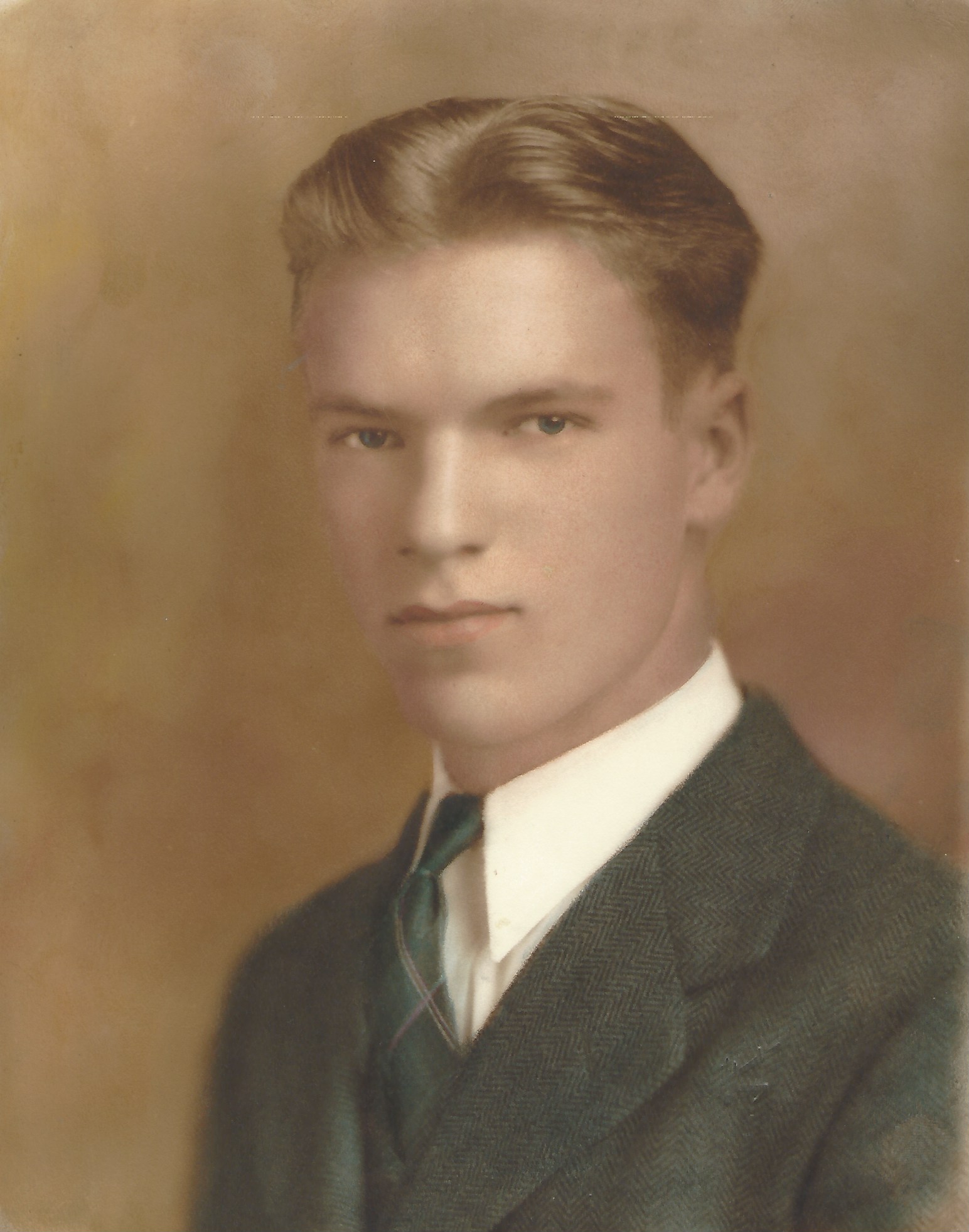
When my father grew very old, he became talkative. I learned that he had always, even from childhood, envied and resented his eldest brother. Not that he would have mentioned it to anyone—especially his eldest brother.
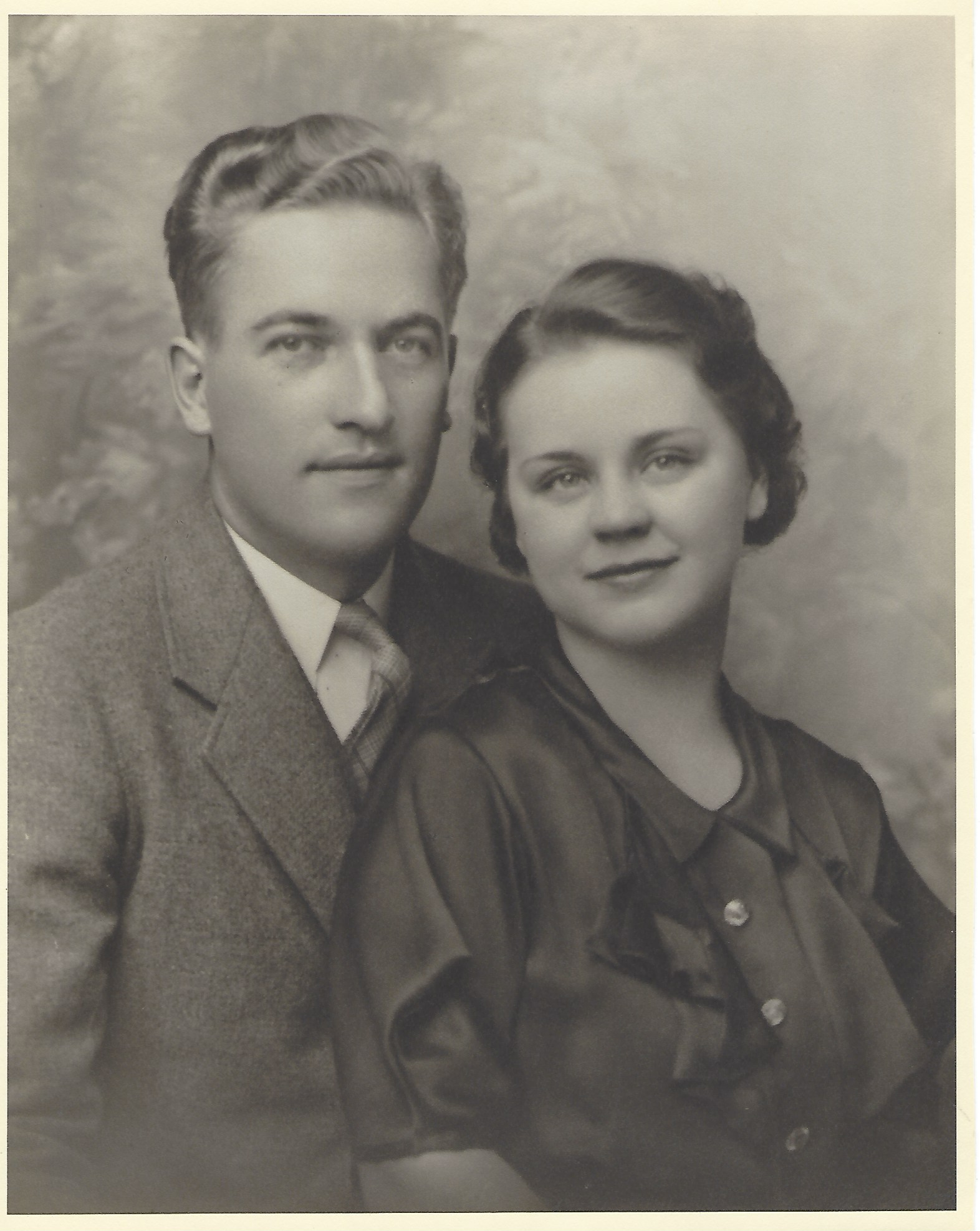
Uncle Ed became a senior airline pilot, highly respected, even on occasion heroic. He made good money and fathered three children, who had the advantage of growing up in a series of foreign locales. My father’s sour attitude toward him went back to the days of their youth, when, in his view, “Edward always got the best of things.” To hear Dad tell it, Ed dictated the family’s living place and claimed the town’s most genteel, well-heeled, and sought-after young lady for his bride.
I doubt Uncle Ed ever knew of Dad’s resentment. Of course, he might have discerned something off-kilter in their relationship, had he been a very sensitive person. But that kind of empathy does not run in our family.
Silence does.
Ah, well, what can I say?
That’s how we are.
Blessings,
Larry F. Sommers
Your New Favorite Writer
